
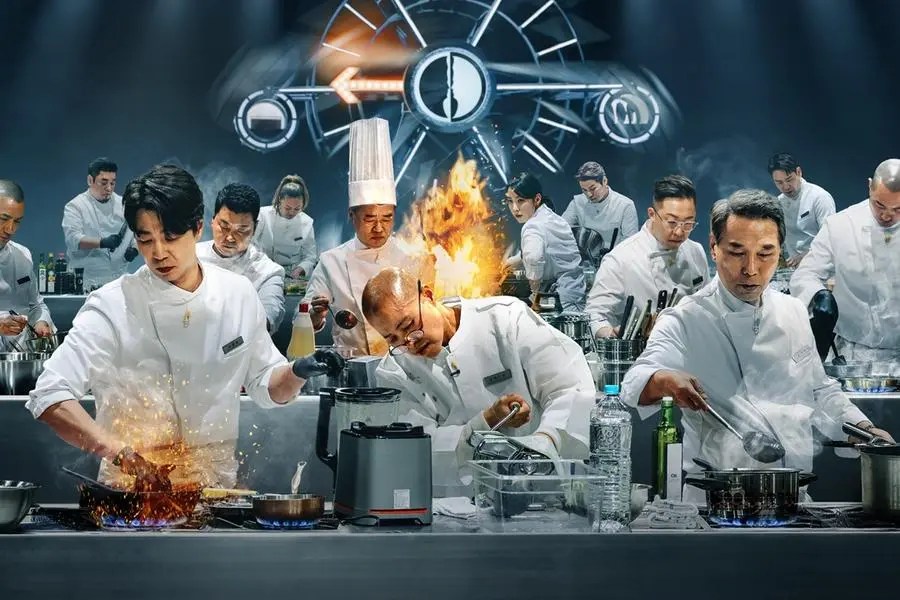
Netflix’s Culinary Class Wars has officially cemented itself as the Physical: 100 of the kitchen. After a grueling 13-episode run that concluded on January 13, 2026, the world finally knows who walked away with the 300 million won prize.
As a critic who has seen every “flavor” of reality competition, I can say that Season 2 was a visual feast, but it wasn’t without its bitter notes. Here is the Nobodyz Opinion deep dive into why this season was both brilliant and frustrating.
The Plot: Class Warfare in the Kitchen
The “Spoon” hierarchy returned with a vengeance. We started with 100 chefs—80 “Black Spoons” (undiscovered masters) and 20 “White Spoons” (the elite elite). The stakes were simple: can the underdogs take down the legends?
While the show excelled at showcasing the mutual respect between these masters, it also leaned heavily into the drama. The “Black and White Alliance” and the “Infinite Carrot Battle” were highlights, but they also highlighted the season’s biggest flaw: The Great Wipeout.
The “All or Nothing” Controversy
If you’ve seen my recent video, you know I’m heated about the team elimination round. By the midpoint of the season, it felt like the “Class War” was over. The production team’s decision to mass-eliminate the Black Spoons early on turned the show into a “White Spoon Reunion” with only a few token underdogs left to carry the banner.
When you have a show called Culinary Class War, you need a balanced fight. Watching characters like Witch with a Wok and Three Star Killer get sidelined while “Hidden White Spoons” (returning losers from Season 1) got second chances felt a bit like the scales were tipped by the producers.
The Finale: A One-of-a-Kind Dish for Me
The final showdown between Choi Kang-rok (White Spoon) and Culinary Monster (Lee Ha-sung, Black Spoon) was the emotional peak of the year.
- Choi Kang-rok’s Journey: The “Braising Human” himself returned with a quiet resolve. His victory wasn’t just about skill; it was about honesty. In the final “Dish for Me” challenge, he dropped the “Serial Braiser” persona and made a deeply personal sesame tofu dish that won over the judges unanimously.
- Culinary Monster’s Heart: Lee Ha-sung’s sundaeguk (pork intestine soup) was a beautiful tribute to his childhood, proving that the “Black Spoons” were always the soul of the show.
Final Verdict: Still the Best Cooking Show on TV
Despite the pacing issues and the “pro-White Spoon” vibes in the middle, the sheer technical skill on display is unmatched. Watching Paik Jong-won and Ahn Sung-jae break down a dish’s micro-nuances is more exciting than any scripted drama in 2026.
Rating: 5 / 5 Stars
 Nobodyz Opinion
Leave a comment